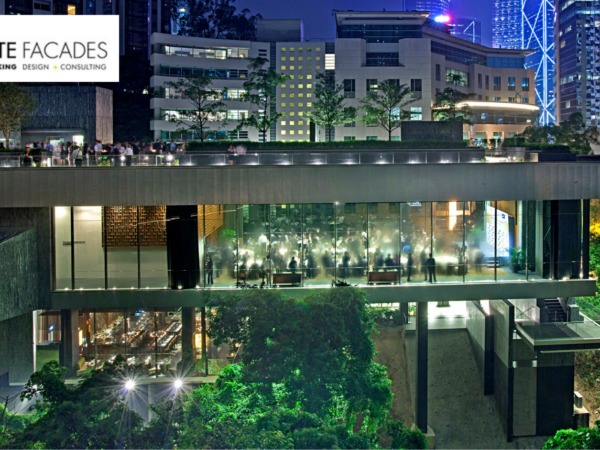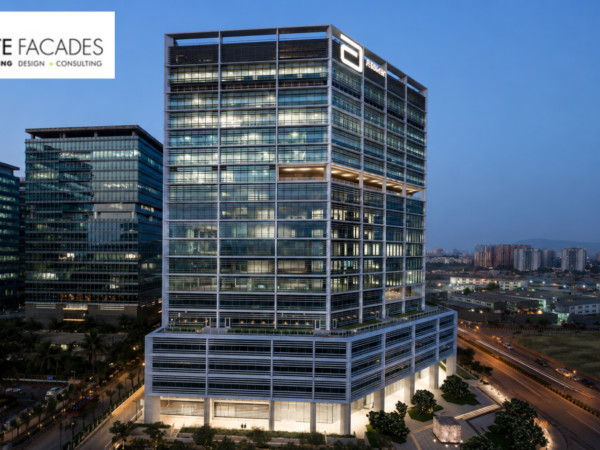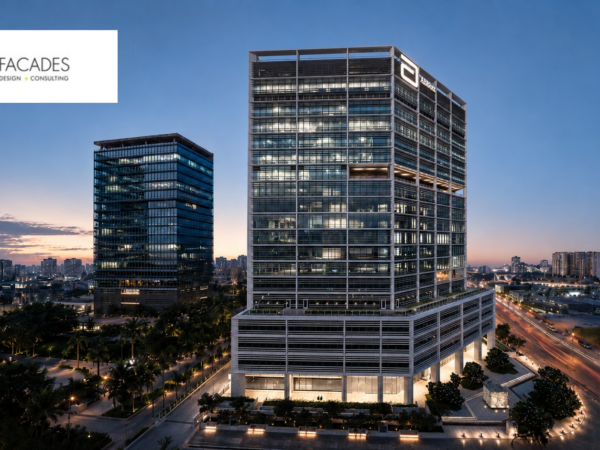
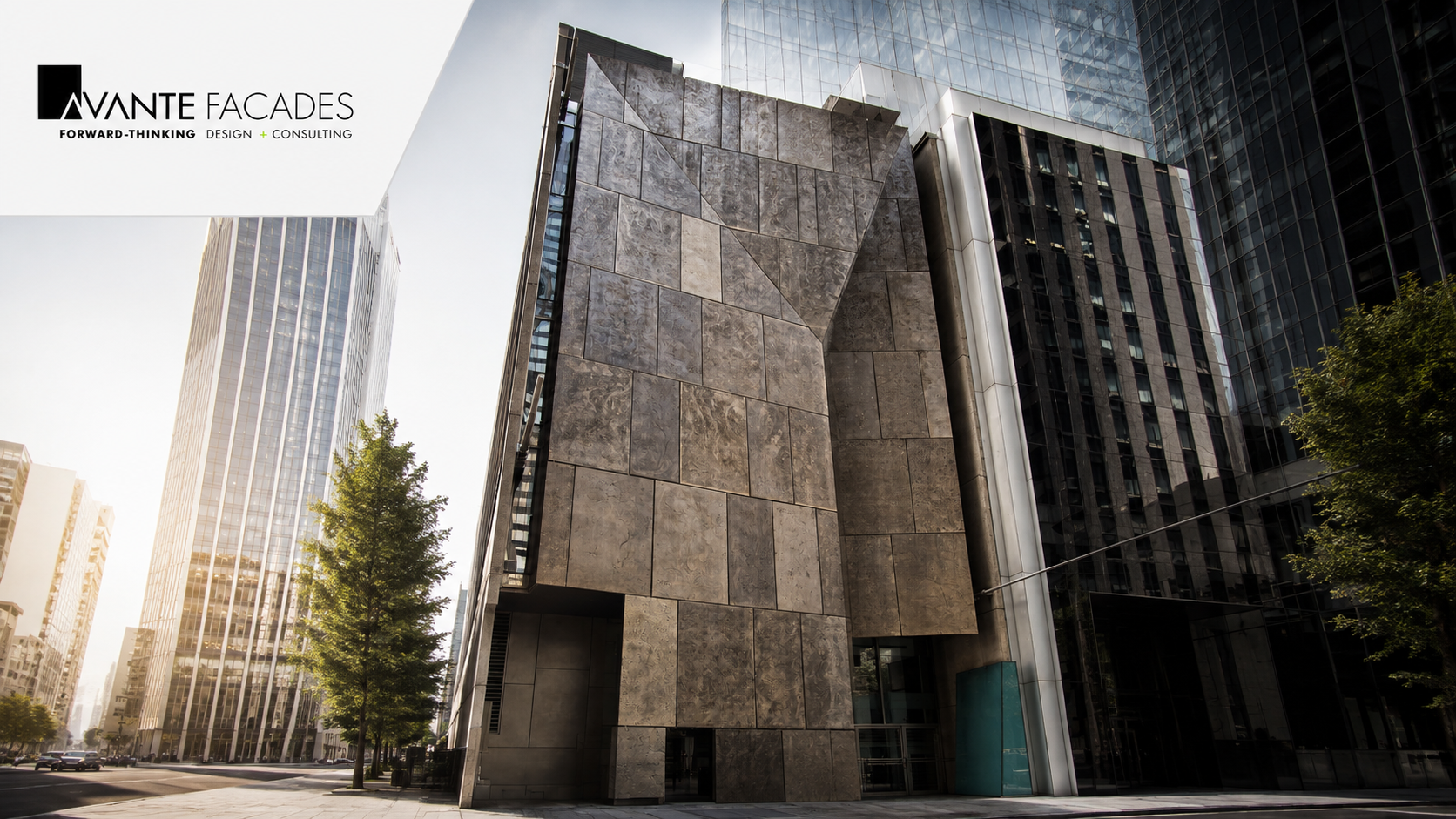

A building facade is not just the outer look of a project. It protects the building, controls heat, manages water movement, supports energy performance, and shapes the first impression of the property. For developers, architects, and project owners, this means facade decisions can affect cost, comfort, safety, construction quality, and long-term maintenance.
In a city like Mumbai, India, facade design becomes even more important because buildings face heat, humidity, heavy rain, wind pressure, pollution, and dense urban conditions. A poorly planned facade can lead to water leakage, excess heat gain, glass failure, delayed construction, and expensive rework.
That is why working with a Facade Engineering Company in India is important from the early design stage. A specialist facade team helps connect architecture, engineering, materials, performance, and site execution.
Avante Facade supports architects and building owners by focusing on facade design, curtain wall systems, and consulting assignments with technical expertise and design sensitivity. The company’s website positions Avante as global facade consultants with a single focus on facades.
What do facade engineering services include?
Facade engineering services include facade concept review, system selection, curtain wall design, glass and cladding coordination, thermal and waterproofing detailing, performance testing, shop drawing review, and site coordination. A facade consultant helps ensure the building envelope is visually strong, technically sound, energy efficient, and suitable for long-term performance.
What is Facade Engineering Services in India?
Facade engineering services in India refer to the technical design, review, and coordination of a building’s external envelope. This includes glass facades, curtain walls, cladding systems, waterproofing details, thermal performance, structural coordination, material selection, and construction-stage support.
A Facade Engineering Company in India works closely with architects, developers, structural consultants, MEP teams, contractors, and project managers. The goal is to ensure the facade looks aligned with the design vision while also performing well against climate, movement, water, wind, and heat.
In simple terms, facade engineering bridges the gap between “how the building should look” and “how the facade will actually perform and get built.”
This is especially useful for:
- Commercial towers
- High-rise residential projects
- Hotels and hospitality buildings
- Airports and institutional projects
- Mixed-use developments
- Retail and flagship spaces
- Building envelope renovation projects
Facade engineering is the technical planning of a building’s outer skin. It helps improve design quality, energy performance, waterproofing, durability, and construction coordination.
Why is Facade Engineering Needed for Modern Buildings?
A facade affects much more than appearance. It directly influences building performance and long-term asset value.
The building and construction sector remains a major part of global energy and carbon discussions. UNEP’s 2025–2026 Global Status Report says global building energy intensity has fallen by 8.5% over the last decade, but investment in energy efficiency still needs to more than double by 2030 to stay aligned with climate goals.
This makes energy efficient building facade design a serious business decision, not just a design choice.
Facade engineering is needed because it helps with:
- Waterproofing: Reduces leakage through joints, glass, cladding, and interfaces.
- Thermal comfort: Controls heat gain and improves indoor comfort.
- Energy performance: Supports lower HVAC loads through better glass, shading, and insulation.
- Safety: Reviews facade systems, fixing methods, wind loads, and material behaviour.
- Durability: Helps choose materials that can handle local climate conditions.
- Cost control: Avoids wrong material selection, poor detailing, and repeated site changes.
- Design execution: Converts architectural intent into buildable facade systems.
- Quality assurance: Supports testing, mockups, shop drawing review, and site checks.
For Mumbai, India, where humidity and monsoon exposure are major concerns, facade waterproofing and thermal performance should be planned from the beginning, not corrected after defects appear.
How Does Facade Engineering Work from Concept Design to Site Coordination?
A good facade process is step-by-step. Each stage reduces technical risk and improves project clarity.
1. Concept Design Review
The facade team studies the architect’s design intent, building form, climate response, orientation, height, and project goals. At this stage, the consultant checks whether the proposed facade idea is practical, durable, and buildable.
2. Facade System Selection
The right system is selected based on project type. This may include:
- Curtain wall design and engineering
- Unitized curtain wall systems
- Stick glazing systems
- Stone or metal cladding
- Glass facade systems
- Ventilated facade systems
- Composite or aluminium panels
3. Material and Glass Review
The facade consultant reviews glass type, coating, panel material, framing, insulation, sealants, anchors, and finishes. For high performance facade design in Mumbai, India, solar control, heat gain, and durability are important.
4. Building Envelope Design
The external envelope is reviewed as a complete system. This includes facade, roof interfaces, slab edges, waterproofing lines, expansion joints, air barriers, drainage paths, and thermal breaks.
5. Technical Detailing
The consultant develops or reviews technical details so that the facade can be built correctly. This step reduces future leakage, movement issues, and coordination errors.
6. Performance Mockups and Testing
Mockups may be reviewed for appearance and performance. Testing can include air leakage, water penetration, structural behaviour, thermal performance, and installation quality.
7. Shop Drawing Review
The facade contractor prepares shop drawings. The facade consultant reviews them to check dimensions, joints, anchors, brackets, glass sizes, panel layouts, waterproofing details, and system performance.
8. Site Coordination
During construction, facade consultants support site teams with inspections, contractor coordination, issue resolution, mockup review, and quality checks.
Facade engineering begins with concept review and continues through system selection, detailing, testing, shop drawings, and site coordination. This process helps prevent design gaps and construction-stage failures.
What are the Benefits of Hiring a Facade Engineering Company in India?
Hiring a specialist facade team gives developers and architects better control over quality, cost, and performance.
Key benefits include:
- Better design-to-execution coordination
- Reduced risk of facade leakage
- Improved energy efficiency
- Stronger curtain wall and glazing performance
- Better material selection
- Clearer tender and contractor documentation
- Reduced rework during construction
- Improved long-term building durability
- Better support for high-rise projects
- Stronger quality control at site stage
A Facade Design Company in Mumbai can also help local project teams understand climate-specific facade challenges. This matters because a facade that works in one region may not perform the same way in Mumbai’s coastal and monsoon conditions.
For premium projects, High-Performance Facade Design in Mumbai can improve both appearance and performance. It helps the building look refined while also managing heat, water, wind, and long-term maintenance.
Facade Engineering Company vs General Contractor vs Architect
| Factor | Facade Engineering Company | General Contractor | Architect |
|---|---|---|---|
| Main role | Technical facade design and performance | Construction execution | Design vision and planning |
| Focus area | Building envelope, glazing, cladding, waterproofing, thermal performance | Site delivery, labour, schedule | Form, space, aesthetics, user experience |
| Best stage to involve | Early design stage | Construction stage | Project start |
| Helps with curtain wall design | Yes | Usually executes based on drawings | May define visual intent |
| Helps with facade testing | Yes | Coordinates execution | Reviews design outcome |
| Reduces leakage risk | Yes, through detailing and review | Only if details are correct | Limited technical scope |
| Supports long-term performance | Strongly | Partially | Depends on consultant team |
A strong project needs all three. But without a facade specialist, important technical details may be missed between design and execution.
Who Needs Facade Engineering Services?
Facade engineering services are useful for any project where the exterior envelope is complex, performance-driven, or high-value.
These services are especially important for:
- Developers planning commercial towers
- Architects designing landmark buildings
- Hotel and hospitality brands
- High-rise residential developers
- Retail and mixed-use project teams
- Institutional and public building owners
- Project management consultants
- Contractors working on complex facades
- Owners renovating old building envelopes
A Building Envelope Consultant in India is also useful when the project has large glass areas, complicated cladding, high energy targets, difficult waterproofing conditions, or premium design expectations.
What Affects the Cost of Facade Engineering Services?
The cost of facade engineering depends on project size, complexity, design scope, location, and the level of consultant involvement.
Important pricing factors include:
- Building height and facade area
- Type of facade system
- Glass and cladding complexity
- Number of design review stages
- Mockup and testing requirements
- Shop drawing review scope
- Site inspection frequency
- Project timeline
- Renovation or new construction scope
- Performance goals such as energy, acoustic, waterproofing, or wind load requirements
A basic facade review may cost less, but complex high-rise or commercial projects need deeper involvement. For developers, the right facade consulting cost is often much lower than the cost of leakage repair, rework, delayed approvals, or poor material performance.
Industry Trends in 2026
Facade engineering in 2026 is becoming more performance-focused, data-driven, and sustainability-led.
Important trends include:
- Energy-efficient facades: More projects are focusing on solar control, insulation, daylight, and reduced cooling loads.
- High-performance glazing: Glass selection is becoming more technical, especially for commercial buildings.
- Unitized curtain wall systems: Large projects are using factory-assembled systems for better quality and faster installation.
- Digital design coordination: BIM, 3D modeling, and performance simulation are helping teams identify issues earlier.
- Facade testing and mockups: Developers are giving more importance to verified performance before full installation.
- Retrofit-ready design: New buildings are being designed with long-term maintenance, replacement, and access in mind.
- Climate-responsive materials: Material selection is being influenced by heat, rain, humidity, wind, and lifecycle performance.
UNEP’s 2024–2025 building report highlights that buildings accounted for 32% of global energy use and 34% of global CO2 emissions, showing why building envelope performance is now part of the larger sustainability conversation.
In 2026, facade engineering is moving beyond appearance. The focus is now on energy performance, digital coordination, better testing, climate response, and long-term building value.
Why Choose Avante Facade in Mumbai, India?
Avante Facade is suitable for developers, architects, and building owners who need focused facade expertise. The company’s website clearly states that its single focus is to support architects and building owners in creating facades that support design vision while ensuring a functional, well-constructed facade.
As a Top Facade Consultant in Mumbai and a specialist facade consultant in India, Avante Facade can support projects through facade design, engineering review, curtain wall design, building enclosure planning, renovation support, and site-stage coordination.
Avante’s expertise areas include new building enclosures, renovation of building enclosures, and building enclosure management. The website lists services such as material applications, concept design, 3D modeling, thermal modeling, construction documents, performance mockup tests, field testing, commissioning, and annual inspections.
For clients looking for a Facade Engineering Company in Mumbai, Facade Design Company in Mumbai, or Building Envelope Consultant in India, Avante Facade offers a focused approach: design clarity, technical strength, and practical coordination from concept to execution.
FAQs
1. What does a Facade Engineering Company in India do?
A Facade Engineering Company in India helps design, review, and coordinate building facade systems. It supports curtain wall design, cladding, glazing, waterproofing, thermal performance, testing, shop drawings, and site-stage coordination.
2. When should a facade consultant be involved in a project?
A facade consultant should be involved during the early concept or schematic design stage. Early involvement helps improve system selection, cost planning, energy performance, waterproofing, and construction coordination.
3. What is the difference between facade design and facade engineering?
Facade design focuses on the appearance and concept of the building exterior. Facade engineering focuses on technical performance, system selection, structural coordination, waterproofing, thermal behaviour, and buildability.
4. Why is building envelope design important in Mumbai, India?
Building envelope design in Mumbai, India is important because buildings face heat, humidity, monsoon rain, wind-driven water, and pollution. A well-designed envelope improves durability, comfort, waterproofing, and energy performance.
5. Does Avante Facade provide facade engineering services in Mumbai, India?
Yes. Avante Facade supports facade design and engineering in India, including facade engineering services in Mumbai, India, building enclosure design, curtain wall systems, high-performance facade design, and construction-stage coordination.
Planning a commercial tower, luxury residence, hotel, institutional building, or mixed-use project?
Work with a specialist facade team before design gaps become site problems. Connect with Avante Facade, a trusted Facade Engineering Company in India, for facade design, building envelope consulting, curtain wall engineering, and high-performance facade support in Mumbai, India.