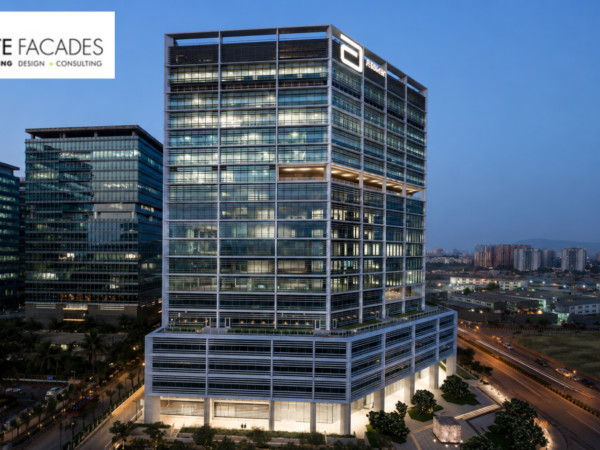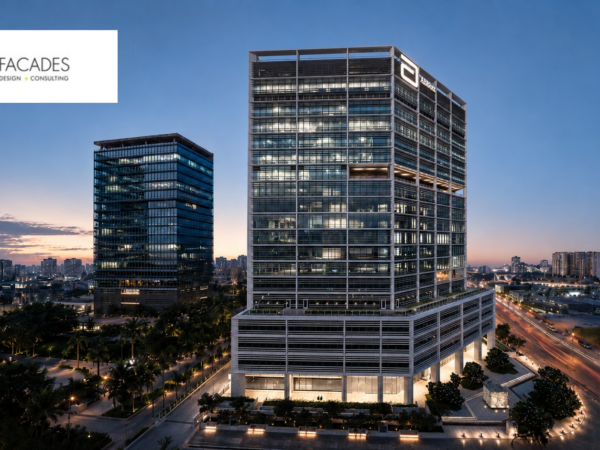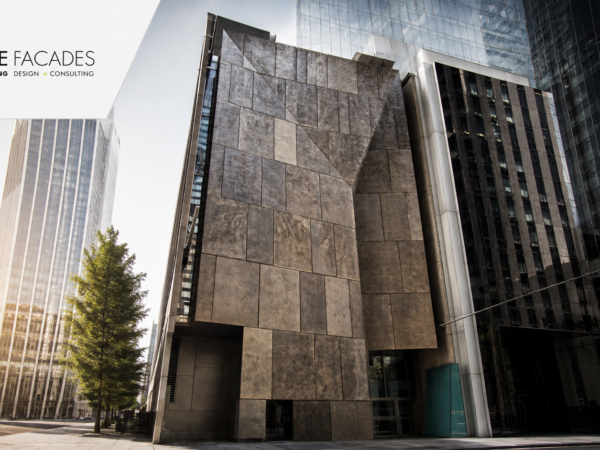
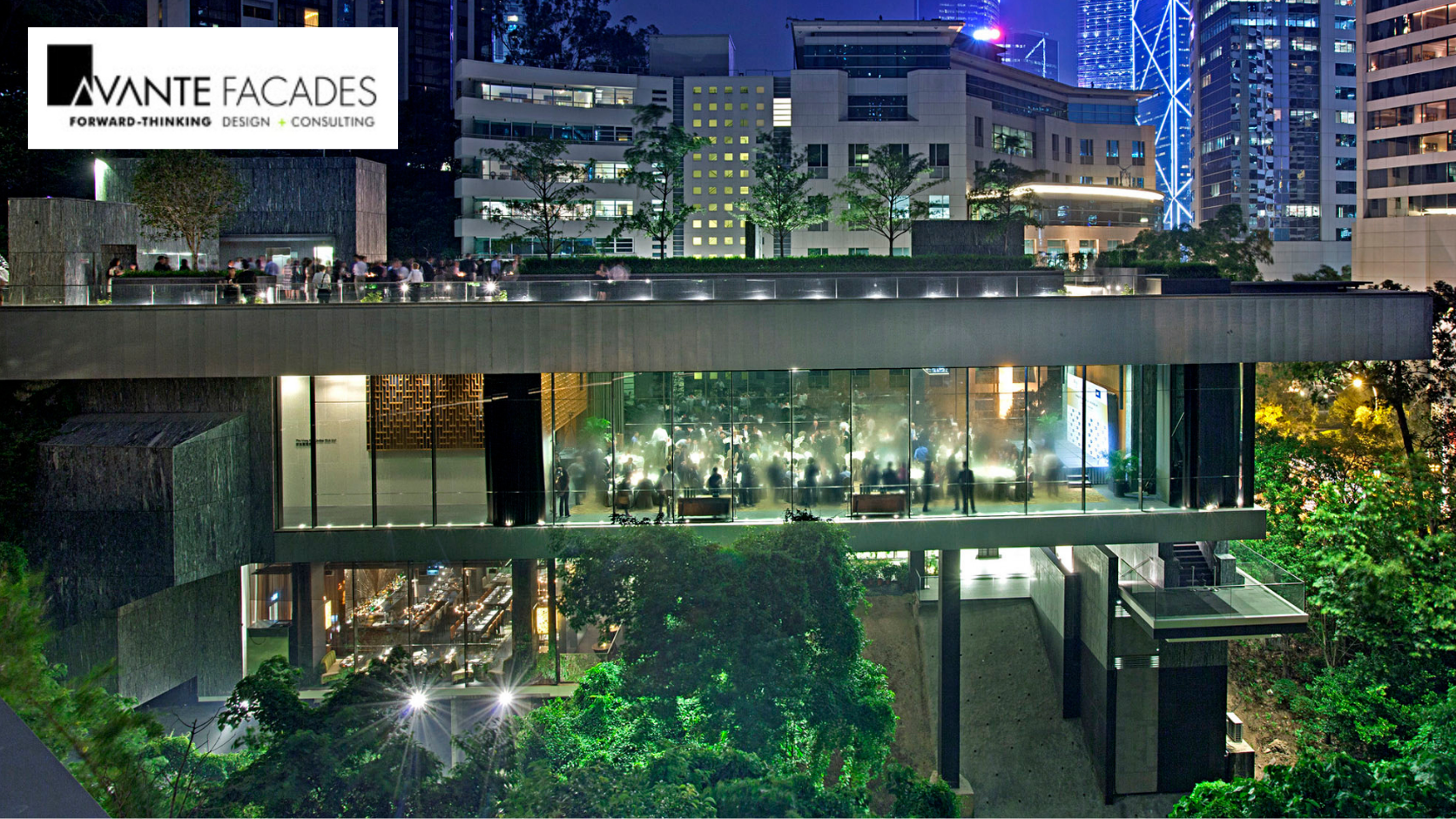

For developers, facade design is one of the most important decisions to make before a commercial or high-rise building enters construction. A facade does much more than create the visual identity of a project. It influences thermal comfort, energy consumption, waterproofing, durability, maintenance, constructability and long-term building performance.
In Mumbai, India, facade design also needs to respond to intense solar exposure, humidity, coastal conditions and heavy monsoon rainfall. A system that looks impressive in architectural drawings may not necessarily perform well once exposed to real site conditions.
This is why developers should involve facade specialists early in the project rather than treating the facade as a finishing package that can be resolved later.
Working with a Top Facade Consultant in Mumbai can help project teams evaluate materials, facade systems, engineering requirements, performance targets and construction considerations before major decisions become difficult or expensive to change.
From glazing and curtain walls to cladding, shading and waterproofing, every component needs to work together as part of a complete building envelope.
What Should Developers Consider Before Finalising Facade Design?
Before construction begins, developers should evaluate the facade from both an architectural and technical perspective.
The most important considerations include:
- Architectural design intent
- Building orientation
- Solar heat gain
- Glazing performance
- Facade materials
- Structural requirements
- Waterproofing
- Thermal performance
- Constructability
- Maintenance and lifecycle costs
- Testing and quality assurance
- Budget and value engineering
Early evaluation of these factors can help reduce design changes, construction risks and future maintenance problems.
1. Start With the Architectural Design Intent
Every facade begins with an architectural vision.
The consultant’s role is not to replace that vision but to determine how it can be translated into a technically practical facade system.
Developers should ask:
- What visual character should the building have?
- Which materials are proposed?
- How much glazing is required?
- Are there complex geometries?
- Are shading devices part of the design?
- How will the facade integrate with entrances, balconies and roofs?
A specialist Facade Design Company in Mumbai can work with the architect to assess these requirements while maintaining the intended appearance.
2. Consider Mumbai’s Climate From the Beginning
Facade design in Mumbai, India must respond to a warm and humid climate with significant monsoon exposure.
This makes environmental performance particularly important.
The facade should be designed to address:
- Solar radiation
- Heat gain
- Humidity
- Wind-driven rain
- Water penetration
- Material weathering
- Thermal movement
- Drainage
A building envelope designed without considering local climate conditions may experience performance issues even when the individual facade components appear technically sound.
For this reason, a facade consultant in India should consider the complete environmental context rather than focusing only on appearance or material selection.
3. Evaluate Solar Heat Gain and Building Orientation
The orientation of a building can significantly influence facade performance.
Different elevations receive different amounts and angles of solar radiation throughout the day.
This means developers should evaluate:
- Building orientation
- Window-to-wall ratio
- Solar exposure
- Glazing specifications
- External shading
- Facade geometry
Large glazed areas can provide excellent views and daylight, but they can also increase solar heat gain if the glazing and shading strategy are not properly coordinated.
A performance-focused approach can help balance transparency, daylight, occupant comfort and cooling demand.
4. Choose Glazing Based on Performance, Not Appearance Alone
Glass is often one of the most visible elements of a modern commercial facade.
However, selecting glass simply because of its colour or appearance can create performance compromises.
Developers should consider properties such as:
- Solar Heat Gain Coefficient (SHGC)
- U-value
- Visible Light Transmission (VLT)
- Low-E coatings
- Insulated glazing
- Reflectivity
- Glare control
The correct glazing specification depends on the building’s orientation, use, facade geometry and energy-performance requirements.
A High-Performance Facade Design in Mumbai should therefore evaluate glazing as part of the complete building-envelope strategy.
5. Select Facade Materials Carefully
Commercial projects can use a wide range of materials, including:
- Aluminium
- Glass
- Stone
- Terracotta
- Ceramic
- Metal panels
- GRC
- High-pressure laminates
- Composite materials
- Louvers and screens
Each material has different characteristics related to weight, movement, weathering, installation, maintenance and cost.
A Facade Engineering Company in Mumbai can help assess whether the proposed material is suitable for the intended application and how it should be supported, jointed and integrated with adjacent systems.
Material selection should also consider availability, replacement requirements and expected service life.
6. Address Structural and Movement Requirements
A facade is exposed to wind, temperature changes, structural movement and other environmental forces.
The facade system therefore needs to accommodate movement between the building structure and exterior enclosure.
Developers should ensure that the facade design addresses:
- Wind loads
- Structural deflection
- Thermal expansion
- Differential movement
- Anchorage
- Connection design
- Glass behaviour
- Support conditions
Coordination between the structural engineer and facade specialist is essential.
A technically resolved facade should work with the building structure rather than being designed independently of it.
7. Give Waterproofing Special Attention
Water penetration is one of the most common concerns associated with building envelopes.
For Mumbai projects, heavy monsoon conditions make water management particularly important.
Developers should ask how the design addresses:
- Curtain wall joints
- Cladding joints
- Window interfaces
- Sealants
- Flashings
- Drainage paths
- Roof-to-facade transitions
- Podium interfaces
- Balconies
- Material junctions
The objective should not simply be to make individual components waterproof.
The complete facade assembly needs a coordinated water-management strategy.
A Building Envelope Consultant in India can help identify vulnerable interfaces during design and establish appropriate testing requirements before construction.
8. Consider Thermal Performance
The facade can influence how much heat enters or leaves the building.
Thermal performance is affected by:
- Glazing
- Insulation
- Curtain wall framing
- Spandrel areas
- Thermal bridges
- Shading
- Facade orientation
- Air leakage
For large commercial developments, thermal modelling can help compare different facade options before they are finalised.
This makes High-Performance Facade Design in Mumbai particularly relevant for projects seeking better energy performance and occupant comfort.
The objective is not simply to specify expensive materials. It is to determine which combination of systems provides the right performance for the project.
9. Think About Constructability Before Construction
A facade may look excellent in a 3D model but still be difficult to manufacture or install.
Developers should therefore consider constructability early.
Questions to ask include:
- Can the system be fabricated locally?
- Are specialist suppliers required?
- How will components be transported?
- What installation sequence is required?
- Are tolerances achievable?
- How will facade and structure interfaces be coordinated?
- Can the system be safely accessed for maintenance?
A specialist Facade Engineering Company in India can help identify potential construction challenges before they become site problems.
10. Plan for Testing and Quality Assurance
Performance cannot always be confirmed through drawings alone.
Depending on the project, facade testing may include:
- Visual mock-ups
- Performance mock-ups
- Water penetration testing
- Air infiltration testing
- Structural testing
- Field testing
- Sealant testing
Mock-ups can help developers and project teams identify design or installation issues before full-scale facade production.
Testing requirements should ideally be established during design and included in the project specifications.
11. Consider Maintenance and Lifecycle Costs
The initial facade cost is only one part of the overall investment.
Developers should also consider:
- Cleaning requirements
- Access systems
- Replacement of components
- Sealant maintenance
- Glass replacement
- Cladding repairs
- Inspection requirements
- Expected service life
A cheaper facade system may not always provide the lowest lifecycle cost.
For long-term commercial assets, developers should evaluate both capital cost and operational value.The best facade decisions are made before construction. Developers should evaluate climate, glazing, materials, structural movement, waterproofing, thermal performance, constructability, testing and lifecycle maintenance as one integrated building-envelope strategy.
How Does a Facade Consultant Help Developers?
A professional facade consultant acts as a technical link between the developer, architect, structural engineer, MEP team, contractor and manufacturers.
Depending on the project, the consultant can support:
- Concept facade development
- System selection
- Material evaluation
- Facade engineering
- Thermal modelling
- Detail development
- Construction documentation
- Tender support
- Contractor proposal review
- Shop drawing review
- Mock-up evaluation
- Field testing
- Construction administration
- Commissioning
This integrated approach can help developers make more informed decisions before construction and reduce the likelihood of costly changes later.
Facade Consultant vs Facade Contractor: What Is the Difference?
It is important to understand the difference between the two.
| Facade Consultant | Facade Contractor |
|---|---|
| Provides technical design and engineering expertise | Fabricates and installs facade systems |
| Helps select systems and materials | Proposes construction and fabrication solutions |
| Develops or reviews technical documentation | Produces shop drawings |
| Defines performance requirements | Manufactures and installs components |
| Reviews contractor submissions | Executes the approved design |
| Supports testing and quality assurance | Performs installation and site work |
For major developments, both roles are important, but they serve different purposes.
Who Should Hire a Facade Consultant?
Professional facade consultancy is particularly valuable for:
- Commercial office buildings
- High-rise towers
- IT parks
- Corporate headquarters
- Hotels
- Hospitals
- Shopping centres
- Mixed-use developments
- Institutional buildings
- Large residential towers
- Complex architectural projects
Projects with extensive glazing, unusual geometry or multiple facade systems can benefit particularly from early specialist involvement.
What Does Facade Consultancy Cost?
Facade consultancy fees vary depending on project requirements.
Factors that can influence cost include:
- Building size
- Facade area
- Building height
- Design complexity
- Number of facade systems
- Level of engineering required
- Thermal modelling requirements
- Testing requirements
- Construction-stage involvement
- Site inspection requirements
- Project duration
Developers should compare consultants based on scope and expertise, not simply the lowest fee.
A clearly defined consultancy scope can help prevent misunderstandings during later project stages.
Why Choose Avante Facade in Mumbai, India?
Avante Facade is a specialist facade consultancy focused on building envelopes and facade engineering.
Its capabilities cover new building enclosures, renovation of existing building envelopes and building enclosure management. Services include concept design, material applications, 3D modelling, engineering, thermal modelling, construction documentation, mock-ups, waterproofing, field testing and commissioning.
For developers searching for a Top Facade Consultant in Mumbai, the firm’s multidisciplinary approach can help connect architectural design with technical performance and construction requirements.
Avante Facade has also worked on commercial, hospitality, residential, retail, institutional and special-use projects across international markets.
For projects requiring facade design in Mumbai, India, the combination of local project understanding and international facade expertise can be valuable when dealing with complex building-envelope requirements.
Whether the requirement is a new commercial tower, high-rise development, mixed-use project or specialised building, facade decisions should be evaluated from concept through construction.
FAQs
1. When should a developer appoint a facade consultant?
A developer should ideally appoint a facade consultant during the concept or schematic design stage. Early involvement allows facade systems, materials, performance and constructability to be evaluated before major design decisions are fixed.
2. Why is facade design important for commercial buildings in Mumbai?
Facade design affects thermal performance, solar heat gain, waterproofing, energy use, durability and maintenance. Mumbai’s heat, humidity and monsoon conditions make these considerations particularly important.
3. What does a facade engineering company do?
A facade engineering company provides technical expertise for building-envelope systems. Its services may include system selection, structural and thermal analysis, detailing, specifications, testing, contractor reviews and construction-stage support.
4. How can developers improve facade performance?
Developers can improve facade performance by considering glazing, shading, insulation, thermal bridges, air tightness, waterproofing, orientation and material selection during the early design stage.
5. How do I choose a facade consultant in India?
Look for relevant project experience, engineering expertise, knowledge of building-envelope performance, testing capabilities and construction-stage support. The consultant should also be able to coordinate effectively with architects, engineers and contractors.
Build a Better Facade Before Construction Begins
Facade design is a long-term investment, not simply an architectural finishing decision.
For developers planning projects in Mumbai, India, early consideration of climate, materials, glazing, thermal performance, waterproofing, structural movement and constructability can create a more reliable and efficient building envelope.
Choosing the right Top Facade Consultant in India can help bring these requirements together from the beginning.
Avante Facade provides specialist facade design, engineering and building-envelope consulting for complex projects. If you are planning a commercial or high-rise development, connect with Avante Facade to discuss your facade requirements before construction begins.
For More Information Contact:
Avante Facade Consulting Pvt. Ltd. | Top Facade Consultants in Mumbai & India
Address: 219, AVIOR, Nirmal Galaxy, 218, Lal Bahadur Shastri Marg, near Johnson & Johnson, P&T Staff Colony, Mulund West, Mumbai, Maharashtra 400080
Phone: 090040 34083